


Новое поступление

Профессиональная Хвостовая струна для скрипки 4/4 | Спорт и развлечения

Muslady Full Size 4/4 Acoustic Violin with Carrying Case Bow Bridge for Adults Students Beginners | Спорт и развлечения
6 001,68 руб.

Бесплатная доставка Копировать Антонио Страдивари Cremonese в 1716 модель скрипка с

Flight fv-134 St violin natural color size 3/4 | Спорт и развлечения
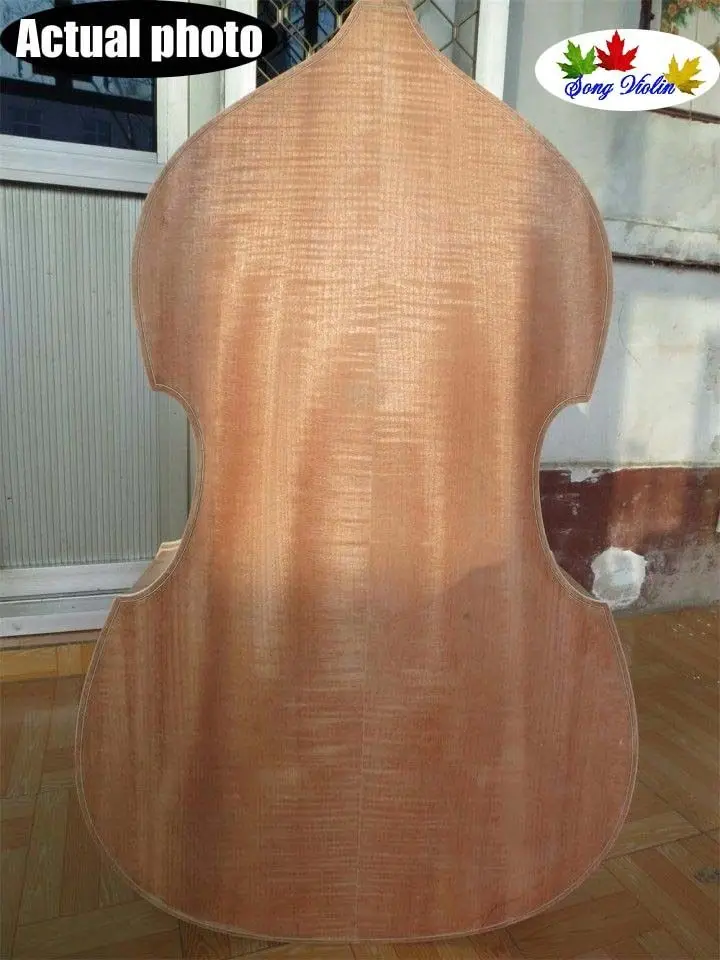
Hand carved white/unfinished 3/4 upright bass #4435hand | Спорт и развлечения
75 921,90 руб.

No.S-5 4/4 size violin Stradi Model 1715 copy of Cremonese full hand made | Спорт и развлечения
36 260,12 руб.

Деревянная миниатюрная скрипка с подставкой бантом и чехол мини-музыкальный

Luthierwood-shop Store
Магазина Luthierwood-shop Store работает с 19.04.2016. его рейтинг составлет 85.33 баллов из 100. В избранное добавили 1043 покупателя. Средний рейтинг торваров продавца 4.4 в продаже представленно 2282 наименований товаров, успешно доставлено 593 заказов. 184 покупателей оставили отзывы о продавце.
Характеристики
SONG brand 7*7 strings 14" Viola dɺmore 14 4/4 violin good sound 12952 | Спорт и развлечения
История изменения цены
*Текущая стоимость 124 055,67 уже могла изменится. Что бы узнать актуальную цену и проверить наличие товара, нажмите "Добавить в корзину"
| Месяц | Минимальная цена | Макс. стоимость | Цена |
|---|---|---|---|
| Feb-18-2026 | 157550.52 руб. | 160701.43 руб. | 159125.5 руб. |
| Jan-18-2026 | 127777.10 руб. | 130333.33 руб. | 129055 руб. |
| Dec-18-2025 | 155069.93 руб. | 158170.96 руб. | 156619.5 руб. |
| Nov-18-2025 | 153828.47 руб. | 156905.6 руб. | 155366.5 руб. |
| Oct-18-2025 | 122814.23 руб. | 125270.17 руб. | 124042 руб. |
| Sep-18-2025 | 151347.35 руб. | 154374.2 руб. | 152860.5 руб. |
| Aug-18-2025 | 150107.95 руб. | 153109.49 руб. | 151608 руб. |
| Jul-18-2025 | 148866.0 руб. | 151843.25 руб. | 150354.5 руб. |
Описание товара
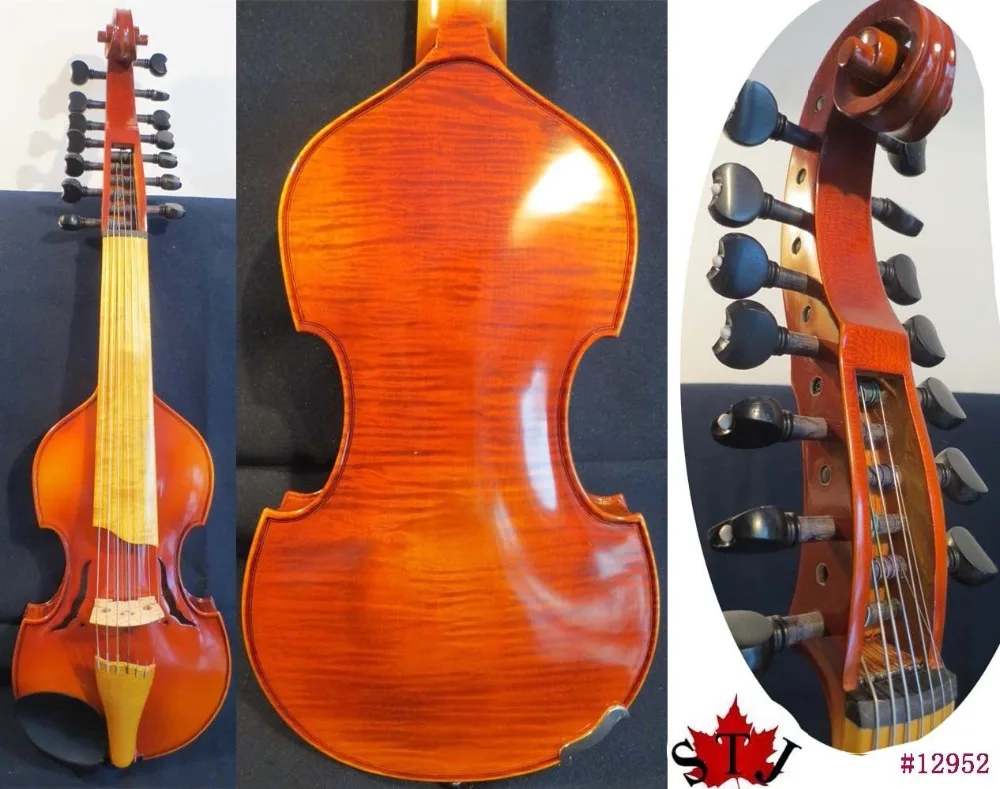
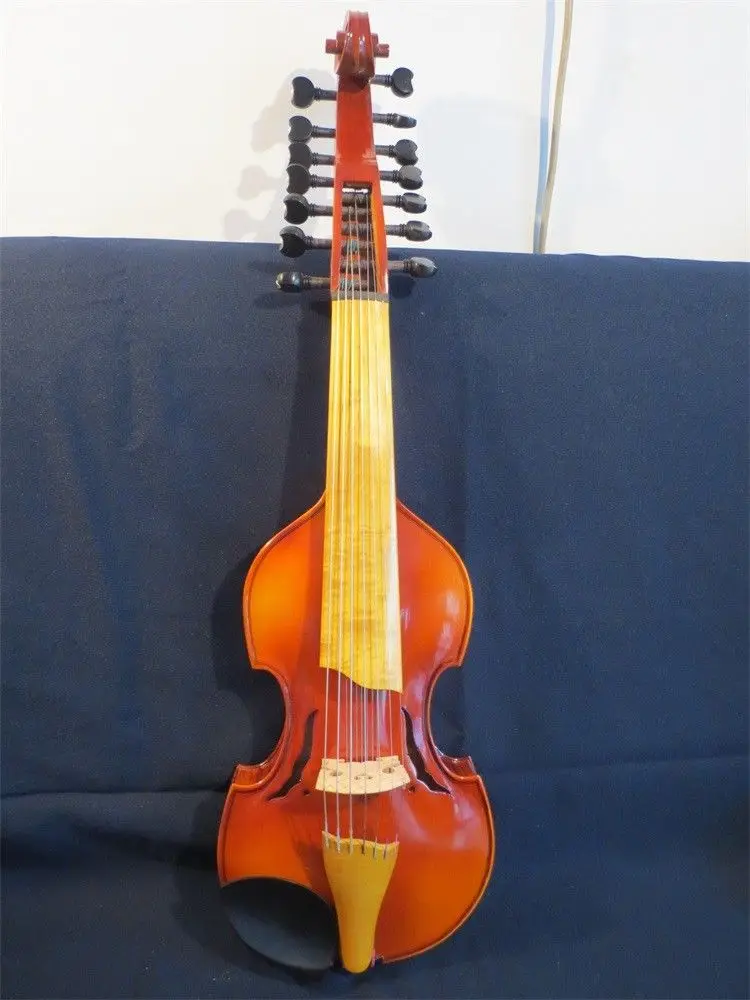
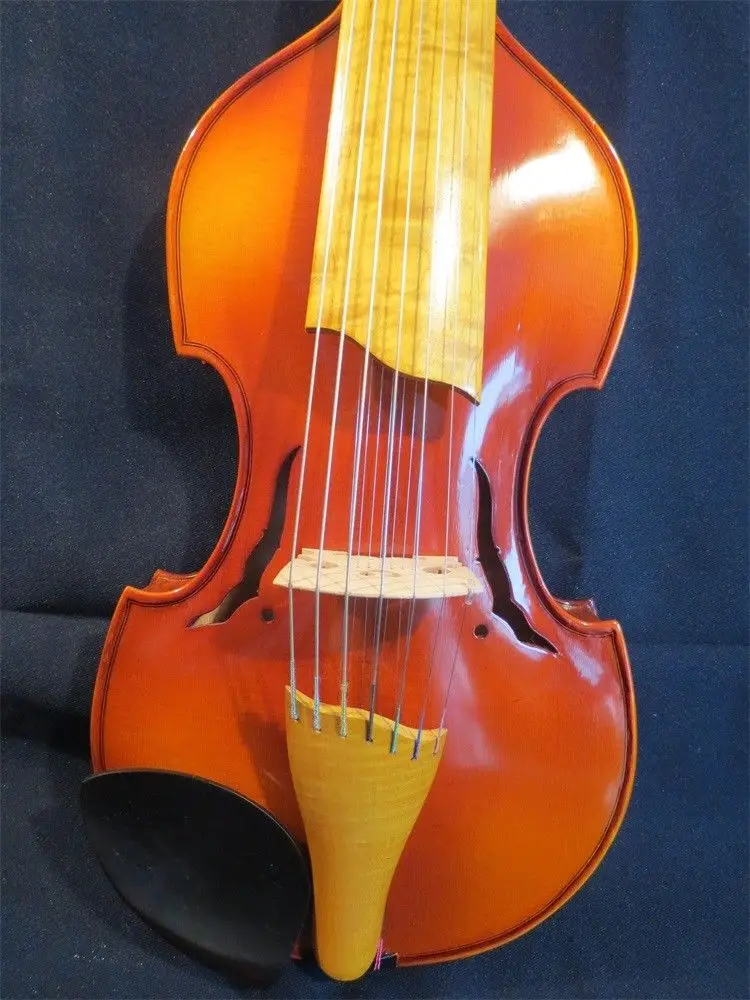
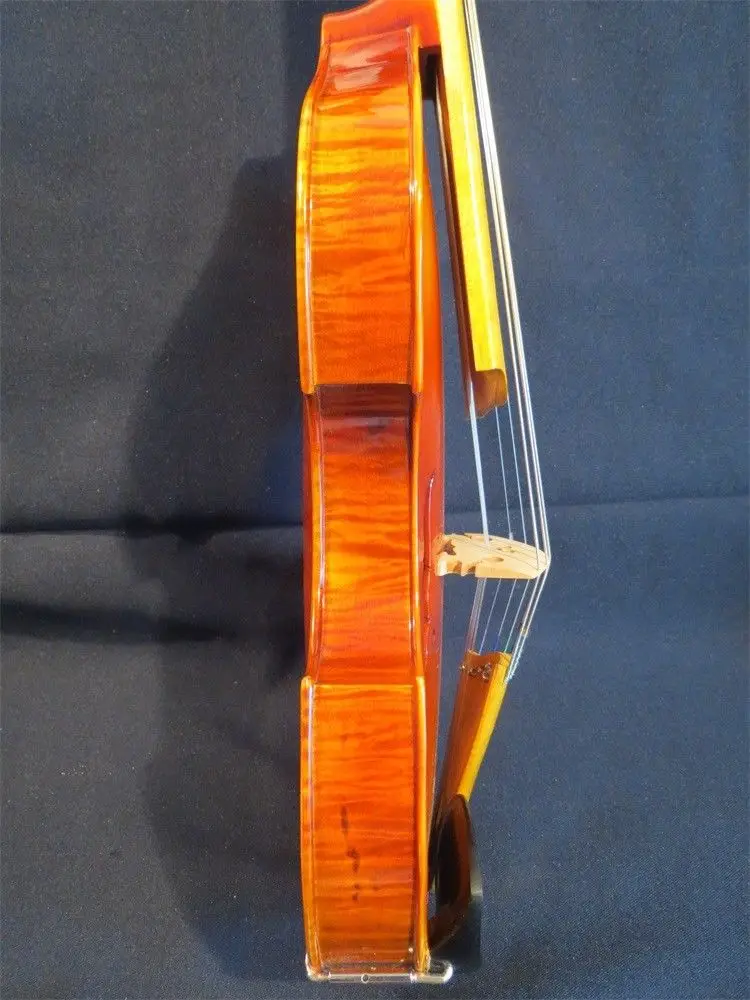
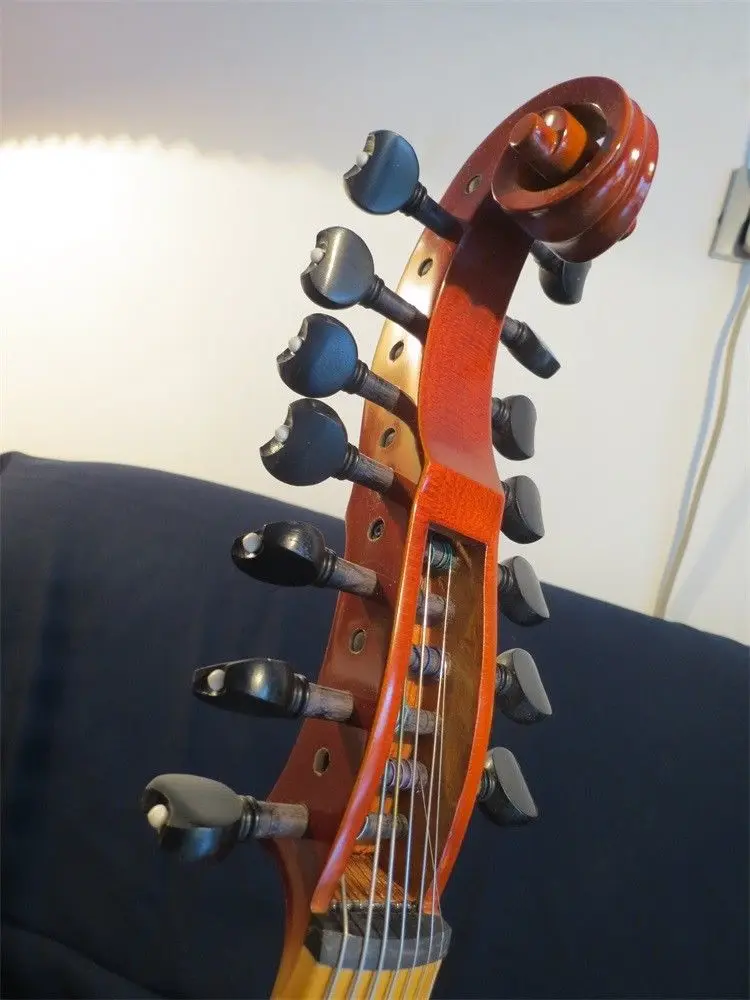
SONG brand 7×7 strings 14" Viola d'Amore, 14 strings 4/4 violin good sound #12952
Quite Loud and strong sound
Sweet and rich tone, deep bass tone
Hand carved beautiful scroll
Nice European spruce top
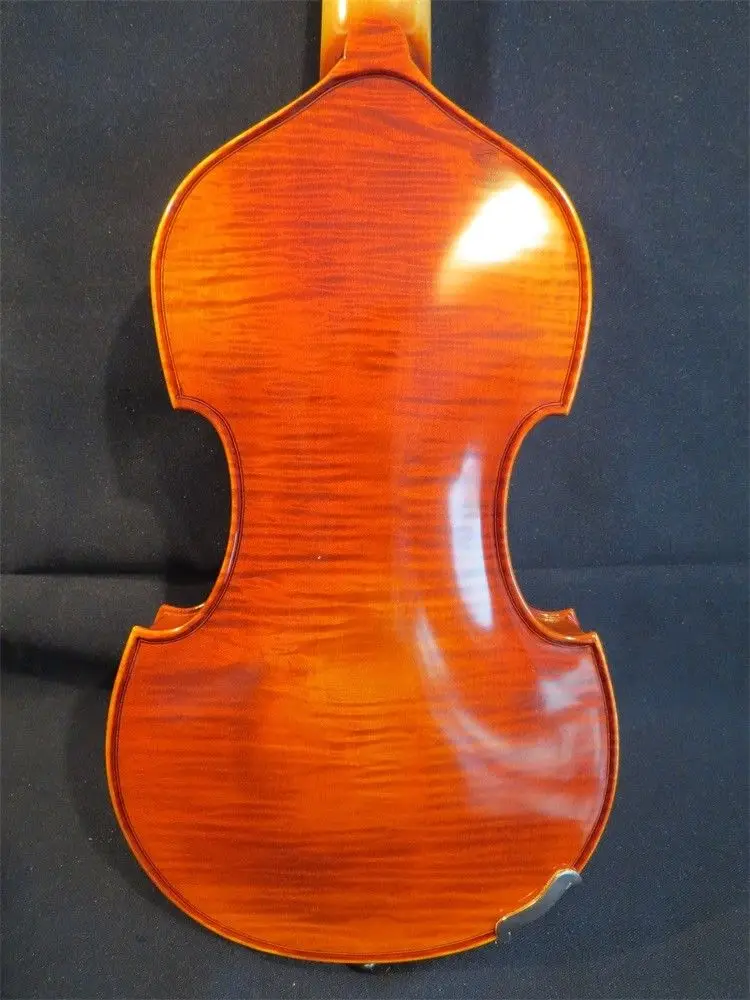
Rear curly flamed one-piece of maple back
Best workmanship
u Rare SONG Excellent solo 7×7 strings 14" viola d'Amore , loud sound, rich ,deep and sweet tone,fine workmanship and up to the hammer paint color,very pretty contour. It is the wisest choice for playing and collecting.
u Finest Spruce Top with the even grain, Natural dried 15 years
u Beautiful curly Flamed maple Back , Neck and Ribs, Natural dried 15 years
u Excellent Condition- no cracks, no repairs, no damage.
u Ebony pegs and chinrest
u Baroque style Bridge and fingerboards
u Free with high quality soft bag
u Free Good Bow
Sizes:
The body length:14"
The string length: 13"
The upper width between adjacent string is about 5.3mm,the bridge width between adjacent string is about 9mm
The tuning from lowest to top is:A - d - a - d' - f#' - a' - d"


Notice: The strings of this instrument aren't exact, Since we haven't find the right strings for it, Please put the right strings on it by yourself. please understand.
About the Viola d'Amore:
The majority of violas d'amore have fourteen strings -- seven playing strings and seven additional resonating or sympathetic strings that go through the bridge and between the fingerboard and neck of the instrument, held by individual pegs in the elongated pegbox. The sympathetic strings are most often tuned to the same pitches as the playing strings. Instruments exist with different combinations of playing strings (four, five, six, and seven) and sympathetic strings (from four up to fourteen). In Germany, violas d'amore without sympathetic strings existed for a short time during the early 18th century.
During the Baroque period, it was common practice to tune the viola d'amore in the key of the individual piece. Joseph Maier listed 16 different tunings for viola d'amore in his 1732 treatise Museum musicum.Vivaldi used the tunings of D major, d minor, A major, a minor and F major in his eight concerti for viola d'amore. By the end of the 18th century, the tuning settled into one tonality, which is the one that is used today and most often for classical, romantic and contemporary pieces. That tuning, from the lowest seventh string up to the top first string, is:
A - d - a - d' - f#' - a' - d"
The bulk of viola d'amore music during the 18th century was written in scordatura notation, a system by which a violinist could more easily play on a viola d'amore with different tunings other than the standard tuning of a stringed instrument tuned in fifths. The top four strings of the viola d'amore could be tuned to different possible pitches but the written notation would use the open g, d, a, and e strings of the violin for those pitches, so that if the top string were tuned to d", the written note was an e" and it would sound d". For the lower 3 strings, it was common to have those written in the bass clef, but sounding an octave higher. This system made it feasible for one not used to scordatura tuning to play more easily on the viola d'amore. On the other hand, some composers, such as J.S. Bach and Christoph Graupner did not use scordatura notation at all and so the written notes were those actually that were sounded.
Смотрите так же другие товары: